Author: Florida Realtor

  • Panama City FL Real Estate Market Guide 2026

    What Is the Panama City FL Real Estate Market Like in 2026?

    Quick Answer: The Panama City, FL real estate market in 2026 remains an active, opportunity-rich environment shaped by Gulf Coast demand, ongoing post-hurricane recovery investment, and a steady influx of military buyers near Tyndall AFB. Home prices across Bay County have stabilized compared to the rapid appreciation of prior years, giving both buyers and sellers more predictable conditions to work with. Whether you are relocating, retiring, investing, or selling, understanding the local market dynamics is essential before making a move in Panama City.

    How Is the Panama City Real Estate Market Performing in Mid-2026?

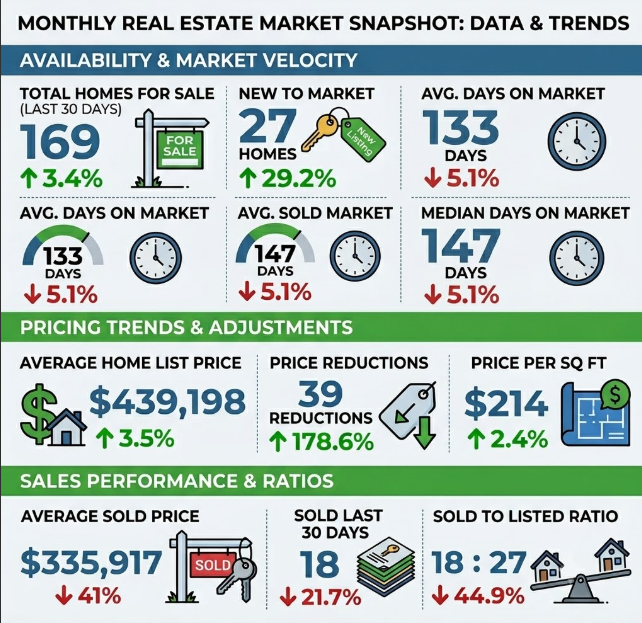
    Panama City and the broader Bay County area continue to attract buyers from across the Southeast and beyond. The market in mid-2026 reflects a more balanced landscape than the seller-dominated years following Hurricane Michael. Here is what characterizes the current environment:

    • Inventory levels have gradually increased, giving buyers more choices than they had in 2022 and 2023.
    • Days on market have lengthened slightly, meaning well-priced homes still sell efficiently, but overpriced listings tend to sit longer.
    • Interest rates continue to influence buyer purchasing power — consult a licensed mortgage professional for current rate guidance.
    • New construction remains active in areas like Lynn Haven, Southport, and east Bay County, adding fresh inventory to the market.
    • Coastal and waterfront properties in and around Panama City maintain strong demand from retirees and second-home buyers.

    What Are the Key Neighborhoods in Panama City and Bay County?

    Lynn Haven

    Lynn Haven is one of the most sought-after communities in Bay County. Known for its well-maintained neighborhoods, good schools, and community atmosphere, it attracts families and relocating professionals. New construction subdivisions continue to expand here, offering modern floor plans and updated finishes.

    Callaway and Springfield

    These adjacent communities offer more affordable entry points into the Bay County market. They are popular with first-time homebuyers, military families, and investors looking for rental properties. Proximity to Highway 98 makes commuting to Tyndall AFB and downtown Panama City straightforward.

    St. Andrews

    The St. Andrews area offers a historic, walkable neighborhood feel with bayfront access and proximity to the St. Andrews Marina. It attracts buyers looking for character homes, waterfront views, and proximity to local dining and recreation. Flood zone considerations are important here and should be reviewed carefully.

    Parker

    Parker is a quieter Bay County community that borders the Bay of St. Andrews. It offers modestly priced homes and a tight-knit neighborhood feel. Buyers interested in waterfront access at a more accessible price point often explore Parker.

    Southport

    Southport is a rapidly growing area in the northern part of Bay County. It features newer subdivisions, larger lot sizes, and a more rural setting. Families and buyers seeking space without sacrificing Bay County convenience are increasingly drawn to Southport.

    Downtown Panama City

    Downtown Panama City has seen continued revitalization investment. Historic buildings, waterfront parks, and a growing arts and dining scene make it attractive for buyers interested in urban walkability and lifestyle. Condo and townhome options exist here alongside traditional single-family homes.

    How Does Tyndall AFB Affect the Panama City Real Estate Market?

    Tyndall Air Force Base is one of the most significant economic and demographic drivers in Bay County real estate. After sustaining severe damage from Hurricane Michael in 2018, Tyndall has undergone a major reconstruction effort designed to make it a model installation for the 21st century. That ongoing rebuild has had lasting effects on the local housing market:

    • Military families using VA loans represent a consistent and significant buyer pool in Callaway, Springfield, Lynn Haven, and surrounding areas.
    • The base’s growth trajectory continues to attract contractors, civilian employees, and support personnel who need housing in Bay County.
    • VA loan buyers should work with lenders and agents experienced in military relocation to navigate PCS timelines and VA appraisal requirements.
    • Sellers in proximity to Tyndall benefit from this reliable buyer demand throughout the year.

    What Should Buyers Know About Flood Zones and Insurance in Panama City?

    Flood zone status is one of the most important factors to evaluate when buying in Panama City and Bay County. Florida’s Gulf Coast geography means flood risk varies significantly from one street to the next. Here is what buyers need to understand:

    • FEMA flood maps designate properties into flood zones ranging from low-risk (Zone X) to high-risk (Zone AE or VE). Always verify the flood zone designation for any specific property.
    • Properties in high-risk flood zones typically require flood insurance in addition to standard homeowners insurance, which can significantly affect monthly carrying costs.
    • Wind mitigation features such as hurricane-rated roofs, impact windows, and reinforced garage doors can help reduce insurance premiums — always consult a licensed insurance professional for personalized guidance.
    • Coastal and bayfront properties, particularly in St. Andrews, Parker, and parts of Downtown Panama City, warrant especially careful flood zone review.
    • Request a flood elevation certificate from the seller or have one obtained during due diligence to better understand insurance implications.
    Area Common Flood Zone Buyer Consideration
    Lynn Haven (inland) Zone X (low risk) Lower flood insurance burden
    St. Andrews / Bayfront Zone AE or VE Flood insurance likely required
    Parker (waterfront) Zone AE Review elevation certificate
    Southport (inland) Zone X Lower flood risk typical
    Downtown Panama City Varies by block Verify per parcel

    What Guidance Do Buyers and Sellers Need in the Panama City Market?

    For Buyers

    • Get pre-approved before shopping. In a market where well-priced homes still move quickly, having a pre-approval letter positions you as a serious buyer and speeds up the offer process.
    • Research neighborhoods based on your lifestyle, commute, school preferences, and flood zone comfort level before touring homes.
    • Budget for insurance costs in addition to your mortgage payment. Panama City insurance costs can vary widely depending on flood zone, home age, and construction type. Work with a licensed insurance professional early in your search.
    • Work with a local real estate professional who understands Bay County’s unique dynamics including post-hurricane rebuilds, new construction warranties, and VA loan processes.

    For Sellers

    • Price strategically based on recent comparable sales in your specific neighborhood. The days of automatic appreciation are less predictable in a more balanced market.
    • Disclose known issues transparently, including any prior flood damage, repairs made after Hurricane Michael, or insurance claims.
    • Prepare your home with attention to roof condition, window ratings, and documentation of any wind mitigation features — these are selling points in the Bay County market.
    • Market to military buyers if your home is near Tyndall by ensuring your listing agent highlights VA loan eligibility and commute convenience.

    Frequently Asked Questions About Panama City FL Real Estate

    Is Panama City FL a buyer’s market or seller’s market in 2026?

    The mid-2026 market in Panama City is considered more balanced than recent years. Increased inventory and slightly longer days on market give buyers more negotiating room, but well-priced homes in desirable areas like Lynn Haven still attract competitive interest. Local market conditions can vary significantly by neighborhood and price range.

    What is the most affordable area to buy a home near Panama City FL?

    Callaway, Springfield, and Parker tend to offer more affordable entry points compared to Lynn Haven or coastal properties. Southport also offers competitive pricing for newer construction with larger lots. Buyers on tighter budgets should work with a local agent to identify current opportunities within their price range.

    Are VA loans widely accepted in Panama City FL?

    Yes. Panama City and Bay County have a large military buyer community due to Tyndall AFB, and VA loans are a common and well-understood financing tool among local sellers and agents. Buyers using VA loans should work with a lender experienced in VA financing to navigate the appraisal and funding fee requirements.

    How much does flood insurance cost in Panama City FL?

    Flood insurance costs vary widely based on flood zone designation, elevation, and the specific coverage obtained. Properties in high-risk Zone AE or VE areas will typically carry higher premiums than those in Zone X. Always consult a licensed insurance professional for accurate quotes specific to any property you are considering.

    Is Panama City FL a good place to invest in real estate?

    Bay County has attracted investor interest due to Tyndall AFB’s ongoing growth, the area’s tourism appeal, and long-term population trends. Investors should carefully evaluate rental demand, insurance costs, and flood zone exposure for any specific property. Consulting a local real estate professional and a financial advisor is recommended before making investment decisions.

    What neighborhoods are best for military families near Tyndall AFB?

    Callaway and Springfield are closest in proximity to Tyndall and are popular with military families. Lynn Haven is slightly further but offers excellent schools and community amenities. Parker and Southport are also considered by some military buyers depending on lifestyle preferences and budget.

    How has Hurricane Michael affected Panama City home values long-term?

    Hurricane Michael significantly disrupted the Bay County market in 2018, but extensive rebuilding has transformed much of the housing stock. Many homes were repaired, rebuilt, or replaced with newer, storm-resilient construction. Today, rebuilt homes with updated roofs and construction standards can actually represent strong value for buyers seeking modern materials in established neighborhoods.

    PanamaCityFLHomes.com is built to help you research the local market and make a more confident real estate decision.
    Related Reading

  • Flood Zones and Homebuying in Panama City FL

    What Do Flood Zones Mean for Homebuyers in Panama City, FL?

    Quick Answer: Panama City and Bay County sit along Florida’s Gulf Coast, where flood zones are a real and ongoing consideration for homebuyers. Understanding which flood zone a property falls in determines whether flood insurance is required, how much it costs, and how it affects your overall housing budget. Buyers should always check FEMA flood maps, review elevation certificates, and speak with a licensed insurance agent before making an offer.

    Why Do Flood Zones Matter So Much in Panama City?

    Panama City, FL is a coastal community bordered by St. Andrews Bay, North Bay, and the Gulf of Mexico. Its geography makes flooding a legitimate concern — not just during hurricanes, but during heavy seasonal rain events and tropical storms. After Hurricane Michael’s devastation in 2018, flood awareness in Bay County has only grown sharper for buyers, sellers, and lenders alike.

    Flood zone designation affects:

    • Whether your lender requires you to purchase flood insurance
    • How much flood insurance will cost annually
    • The resale value and marketability of the home
    • Your long-term cost of ownership in that neighborhood

    What Are the Different Flood Zones in Bay County?

    How Does FEMA Classify Flood Risk?

    FEMA (Federal Emergency Management Agency) designates flood zones based on estimated risk. Here’s a simplified breakdown of the most common designations you’ll encounter in Bay County:

    Flood Zone Risk Level Flood Insurance Required?
    Zone X (shaded or unshaded) Minimal to moderate risk Usually not required by lenders
    Zone AE High risk — 1% annual chance of flooding Yes, if federally backed mortgage
    Zone VE Highest risk — coastal with wave action Yes, typically most expensive
    Zone A High risk — no base flood elevation determined Yes, if federally backed mortgage

    Zone VE properties are most commonly found in beachside and bayfront areas. Zone AE covers large portions of lower-lying Panama City neighborhoods. Zone X areas are generally considered safer from a flood standpoint and often carry lower insurance costs.

    Which Panama City Neighborhoods Are Most Affected by Flood Zones?

    How Do Flood Zones Vary Across Bay County Communities?

    Flood zone designations vary significantly by neighborhood, sometimes block by block. Here’s a general sense of how flood risk typically maps across local communities:

    • St. Andrews: Portions sit close to the bay and can fall into AE or VE zones. Older homes in this area may lack updated elevation certificates, which is important for insurance pricing.
    • Downtown Panama City: Mixed zone areas. Proximity to the waterfront means some parcels carry higher flood designations, while elevated inland blocks may fall in Zone X.
    • Parker and Callaway: These communities have a range of flood zones. Some areas along North Bay shorelines carry AE designations, while further inland sections may be Zone X.
    • Lynn Haven: Often appealing to buyers partly because many neighborhoods sit in lower-risk Zone X areas, though buyers should still verify individual parcels.
    • Springfield: Similar to Lynn Haven in that many residential areas may fall outside high-risk zones, but verification remains essential.
    • Southport: A more rural, inland community where flood risk is generally lower, making it attractive for buyers prioritizing reduced flood insurance costs.
    • Tyndall AFB corridor: Properties near the base and surrounding Mexico Beach area often carry higher flood designations given their coastal proximity.

    These are general observations — always verify the specific parcel using FEMA’s Flood Map Service Center or the Bay County property appraiser’s tools.

    How Does Flood Insurance Work in Panama City?

    Is Flood Insurance Required and How Much Does It Cost?

    If you are using a federally backed mortgage (FHA, VA, conventional backed by Fannie Mae or Freddie Mac) and the home is located in a Special Flood Hazard Area (SFHA) — which includes zones AE, VE, and A — your lender will require flood insurance before closing.

    Flood insurance in Florida can be purchased through:

    • NFIP (National Flood Insurance Program): The federal program administered through FEMA. It is the most common source of flood insurance in Bay County.
    • Private flood insurance carriers: Some private insurers offer flood policies that may provide different coverage options or pricing. A licensed insurance agent can help compare.

    Premiums vary widely based on flood zone, the home’s elevation relative to base flood elevation (BFE), the structure type, and coverage amounts selected. Homes with higher elevation certificates often qualify for lower premiums. Always request an elevation certificate from the seller or order one from a licensed surveyor — it can significantly impact your insurance cost estimate before you make a purchase decision.

    Note: This article does not provide insurance or financial advice. Always consult a licensed insurance professional for specific guidance.

    What Should Homebuyers Near Tyndall AFB Know About Flood Zones?

    Military buyers relocating to Tyndall Air Force Base face a unique situation. Tyndall itself was severely impacted by Hurricane Michael in 2018 and has undergone extensive rebuilding. Properties near the base — particularly toward Mexico Beach and the Cape San Blas corridor — often carry VE or AE flood designations due to Gulf proximity.

    VA loans do require flood insurance for homes in SFHAs. Military buyers using VA financing should factor flood insurance costs into their monthly budget estimates early in the homebuying process. Working with a local real estate professional familiar with the Tyndall area can help buyers understand which neighborhoods offer the right balance of proximity to base, flood zone safety, and overall value.

    What Steps Should Buyers Take Before Purchasing in a Flood Zone?

    How Can You Protect Yourself When Buying in Bay County?

    Flood zone awareness should be part of every homebuyer’s due diligence process in Panama City. Here are key steps to take:

    • Check FEMA’s Flood Map Service Center: Look up any property address at msc.fema.gov to identify its current flood zone designation.
    • Request an elevation certificate: If the home is in a high-risk zone, ask the seller for an existing elevation certificate. If one isn’t available, budget for a licensed surveyor to prepare one.
    • Get flood insurance quotes early: Contact a licensed insurance agent before going under contract so you can estimate flood insurance costs as part of your total monthly payment.
    • Ask about flood history: Sellers in Florida are required to disclose known flooding issues. Ask directly and review seller disclosures carefully.
    • Work with local professionals: A local real estate agent, insurance agent, and lender familiar with Bay County flood dynamics can help you navigate property-specific risks.
    • Get pre-approved with flood costs in mind: Flood insurance can add meaningfully to your monthly carrying costs. Know your full budget before falling in love with a property.
    • Consider elevation and construction type: Elevated homes, homes on pilings, or homes built with flood-resistant construction may carry lower insurance costs and offer better long-term protection.

    Frequently Asked Questions About Flood Zones in Panama City, FL

    Do all homes in Panama City require flood insurance?

    No. Flood insurance is typically required by lenders only when a home is located in a federally designated Special Flood Hazard Area (SFHA) and the buyer is using a federally backed mortgage. Homes in Zone X are generally not required to carry flood insurance, though some buyers choose to purchase it voluntarily. Always confirm with your lender and insurance agent.

    What is an elevation certificate and why does it matter?

    An elevation certificate is a document prepared by a licensed surveyor that shows the height of a structure relative to the base flood elevation in its area. It is used by insurance companies to calculate flood insurance premiums. Homes elevated above the base flood elevation often qualify for significantly lower premiums, so requesting or obtaining one is an important step for buyers in high-risk zones.

    How did Hurricane Michael change flood awareness in Bay County?

    Hurricane Michael made landfall near Mexico Beach in October 2018 as a Category 5 storm, causing catastrophic damage across Bay County. The storm accelerated flood map updates and increased awareness among buyers, lenders, and insurers about coastal and inland flood risk. Many buyers now prioritize flood zone research earlier in their home search as a direct result of Michael’s impact.

    Are flood zones in Panama City changing?

    FEMA periodically updates flood maps through a process called a Flood Map Amendment or Letter of Map Revision (LOMR). Bay County has seen map updates following Hurricane Michael and ongoing coastal changes. A property’s flood zone today may not reflect what it was five years ago, or what it could be in the future. Buyers and owners should stay informed about any pending or recent map changes in their target area.

    Can I appeal or remove a property from a high-risk flood zone?

    In some cases, property owners can apply for a Letter of Map Amendment (LOMA) from FEMA if they believe their property has been incorrectly mapped. This process typically requires survey data showing the home’s lowest floor is above the base flood elevation. A licensed surveyor and potentially a floodplain specialist can help assess whether a LOMA application is appropriate for a specific property.

    Is Southport or Lynn Haven safer from flooding than waterfront areas?

    Generally, inland communities like Southport and parts of Lynn Haven carry lower flood risk than waterfront or bayfront neighborhoods, and many parcels in those areas fall into Zone X. However, flood zones are parcel-specific — two homes on the same street can have different designations. Always verify the specific address rather than assuming an entire community is in a single flood zone.

    What should military buyers near Tyndall AFB know about flood insurance and VA loans?

    VA loans require flood insurance on properties located in Special Flood Hazard Areas, just like other federally backed loans. Military buyers using their VA benefit near Tyndall should factor flood insurance into their monthly budget early. Working with a lender and insurance agent experienced with VA loans and Bay County’s flood landscape can help avoid surprises at closing.

    PanamaCityFLHomes.com is built to help you research the local market and make a more confident real estate decision.

    Related Reading

  • Living in Lynn Haven FL: What to Know Before You Move

    What Is It Like Living in Lynn Haven, FL?

    Lynn Haven is one of the most sought-after cities in Bay County, Florida, offering a quieter, more suburban feel compared to downtown Panama City while still keeping residents close to beaches, shopping, and employment. The city sits just north of Panama City along North Bay, making it attractive for families, retirees, military personnel, and remote workers who want space without sacrificing convenience. Lynn Haven consistently ranks as one of the safest and most livable communities in the Florida Panhandle.

    Quick Answer: Is Lynn Haven a Good Place to Live?

    Yes, Lynn Haven is widely considered one of the best places to live in Bay County. It offers well-maintained neighborhoods, a strong sense of community, good schools, lower crime rates compared to surrounding areas, and reasonable home prices relative to coastal markets. It is especially popular with families and Tyndall AFB personnel looking for a stable, residential environment within a short commute.

    Where Exactly Is Lynn Haven Located?

    Lynn Haven is a city in Bay County, Florida, bordered by Panama City to the south, Callaway to the east, and unincorporated Bay County to the north and west. It sits along the northern shore of North Bay, offering some waterfront access without the premium price tags of beachside communities. Major roads like US-231 and Ohio Avenue connect residents quickly to Panama City, Pier Park, and Tyndall AFB.

    What Are the Neighborhoods Like in Lynn Haven?

    Lynn Haven features a wide range of neighborhoods suited to different lifestyles and budgets. Here is a general overview of what buyers typically find:

    • Bayou Estates and Bay Point area: Waterfront and near-waterfront homes with access to North Bay, popular with boaters and anglers.
    • Hammock Bay and newer subdivisions: More recently built single-family homes with modern floor plans, community amenities, and HOA-managed common areas.
    • Central Lynn Haven: Established tree-lined streets with older ranch-style and mid-century homes, often priced more accessibly for first-time buyers.
    • North Lynn Haven outskirts: Larger lots, some acreage properties, and newer construction catering to buyers who want more land and privacy.

    What Are Home Prices Like in Lynn Haven?

    Lynn Haven home prices generally fall in a mid-range tier within Bay County. You will find entry-level homes in established neighborhoods as well as newer construction that commands higher price points. Waterfront and bayou-access properties carry a notable premium. Compared to beachside communities in Panama City Beach, Lynn Haven offers more square footage for the dollar, which makes it attractive for growing families and buyers on a budget. Always consult a licensed local real estate agent for current pricing data, as the market shifts regularly.

    How Are the Schools in Lynn Haven?

    Lynn Haven is served by Bay District Schools, the public school system for Bay County. Families moving to Lynn Haven often cite Mosley High School as a draw, as it has historically been regarded as one of the stronger high schools in the county. Elementary and middle school options are accessible within the city or in neighboring Callaway. Families with school-age children should research current school assignments directly with Bay District Schools, as boundaries can change.

    Is Lynn Haven Safe?

    Lynn Haven is generally considered safer than many surrounding communities in Bay County. The city has its own police department dedicated specifically to Lynn Haven residents, which contributes to faster response times and a strong community policing presence. As with any city, crime rates can vary by neighborhood and street, so prospective buyers are encouraged to review publicly available crime data and visit neighborhoods in person at different times of day.

    What About Flood Zones and Insurance in Lynn Haven?

    Flood zone status is an important consideration for any buyer in Bay County, and Lynn Haven is no exception. Parts of Lynn Haven, particularly areas near North Bay, bayous, and low-lying terrain, fall within FEMA-designated flood zones that may require flood insurance. Other portions of the city sit in lower-risk zones. Hurricane Michael in 2018 significantly impacted Lynn Haven, and the city has undergone extensive rebuilding since then.

    Key flood and insurance points to understand:

    • Always request the flood zone designation for any specific property before making an offer.
    • Properties in high-risk flood zones will typically require flood insurance if financed through a federally backed mortgage.
    • Insurance costs in Bay County have risen in recent years. Consult a licensed Florida insurance agent for accurate premium estimates before closing.
    • Post-Hurricane Michael, many homes in Lynn Haven were rebuilt or significantly renovated, which can mean newer roofs, updated electrical, and improved structural standards — all of which can affect insurance rates.

    Is Lynn Haven Good for Military Families Near Tyndall AFB?

    Lynn Haven is a popular choice for military families stationed at Tyndall Air Force Base, located approximately 15 to 20 miles to the southeast near Panama City Beach. The commute via US-98 and the various Bay County connector roads is manageable for most service members. Lynn Haven offers larger homes, good schools, and a family-friendly environment that military families consistently rate highly. VA loan buyers will find that the local real estate market is well-familiar with VA financing, making transactions relatively smooth when working with experienced local agents and lenders.

    What Amenities and Activities Does Lynn Haven Offer?

    Living in Lynn Haven means access to a solid mix of everyday amenities and recreational opportunities:

    • Parks and recreation: Lynn Haven has multiple city parks, athletic fields, boat ramps, and access to North Bay for kayaking, fishing, and boating.
    • Shopping and dining: Everyday retail and dining options are readily available within Lynn Haven and a short drive into Panama City.
    • Community events: The city is known for its engaged community culture, including seasonal events, farmers markets, and neighborhood gatherings.
    • Proximity to beaches: The white sand beaches of Panama City Beach are approximately 20 to 30 minutes away, giving residents beach access without beach-town pricing.
    • Healthcare: Bay County’s major medical facilities, including Ascension Sacred Heart Bay, are within a short drive.

    How Does Lynn Haven Compare to Nearby Bay County Cities?

    City General Vibe Typical Buyer Flood Risk
    Lynn Haven Suburban, family-oriented Families, military, retirees Mixed, check by parcel
    Callaway Suburban, affordable First-time buyers, working families Mixed, some low-lying areas
    Panama City Beach Tourist, coastal lifestyle Investors, vacation buyers Higher in many areas
    Springfield Budget-friendly, small-town Value buyers, investors Varies
    Parker Small, waterfront access Boaters, budget buyers Some high-risk zones

    What Should Buyers Know Before Moving to Lynn Haven?

    If you are preparing to buy a home in Lynn Haven, here are practical steps to take before and during your search:

    • Get pre-approved: Work with a licensed mortgage lender familiar with Bay County to understand your budget, especially given Florida’s insurance landscape.
    • Research flood zones: Use the FEMA Flood Map Service Center to check the specific flood zone of any property you are seriously considering.
    • Tour multiple neighborhoods: Lynn Haven has a range of micro-neighborhoods with different feels, price points, and lot sizes. Drive through in person.
    • Review HOA rules if applicable: Some newer subdivisions have HOAs with fees and restrictions. Ask for HOA documents early in the process.
    • Hire a licensed local home inspector: Given the post-Hurricane Michael rebuilding activity in Lynn Haven, a thorough inspection is essential to confirm the quality of repairs and renovations.
    • Consult a local real estate agent: An agent who specializes in Bay County will understand neighborhood-specific nuances that out-of-area agents may miss.

    Frequently Asked Questions About Living in Lynn Haven, FL

    Is Lynn Haven a good place to retire?

    Lynn Haven is a popular choice for retirees who want a quieter, residential setting with easy access to healthcare, shopping, and outdoor recreation. The city offers a range of home styles including single-story ranch homes that appeal to retirees, and its community atmosphere tends to be calm and neighborly. Proximity to beaches and bay access also adds lifestyle value for active retirees.

    Did Lynn Haven fully recover from Hurricane Michael?

    Lynn Haven was one of the hardest-hit communities during Hurricane Michael in October 2018. As of 2026, the city has undergone significant rebuilding and recovery, with many neighborhoods substantially restored or improved. However, some areas still show signs of ongoing work, and buyers should conduct thorough due diligence including inspections and permit history reviews on any property.

    What is the commute like from Lynn Haven to Panama City Beach?

    The commute from Lynn Haven to Panama City Beach typically ranges from 25 to 40 minutes depending on traffic and the specific destination. The route primarily uses US-98, which can experience congestion during peak tourist season in summer months. For daily commuters, travel times should be factored into lifestyle planning.

    Are there new construction homes available in Lynn Haven?

    Yes, Lynn Haven has seen active new construction activity in recent years, particularly in the northern and western portions of the city. New subdivisions have brought modern floor plans, energy-efficient construction, and community amenities to the market. A local buyer’s agent can help you identify current new construction communities and compare them to resale options.

    Is Lynn Haven prone to flooding?

    Like much of Bay County, some parts of Lynn Haven are in FEMA-designated flood zones, particularly near North Bay and bayou areas. Other sections of the city sit in lower-risk zones. Flood risk is property-specific, so buyers should always check the flood zone designation for any individual address and consult a licensed insurance agent about expected costs before making a purchase decision.

    What is the cost of living like in Lynn Haven compared to the rest of Bay County?

    Lynn Haven falls in a mid-range cost-of-living tier for Bay County. Home prices are generally more affordable than beachside Panama City Beach but can be higher than Springfield or parts of Callaway. Property taxes, insurance, and general living costs in Lynn Haven are broadly consistent with the rest of Bay County, though insurance costs have risen throughout the region in recent years.

    Is Lynn Haven good for first-time homebuyers?

    Lynn Haven can be a solid option for first-time buyers, especially those looking in established central neighborhoods where older homes offer more accessible price points. VA loan buyers and those using FHA financing will find Lynn Haven to be a well-navigated market for those programs. Working with a local lender and buyer’s agent experienced in Bay County will help first-timers move through the process more confidently.

    PanamaCityFLHomes.com is built to help you research the local market and make a more confident real estate decision.

    Related Reading

  • Pros and Cons of Living in Panama City FL

    What Are the Pros and Cons of Living in Panama City, FL?

    Quick Answer: Panama City, Florida offers an appealing mix of Gulf Coast beaches, affordable home prices compared to other Florida markets, and a growing job base anchored by Tyndall Air Force Base and healthcare. However, residents should weigh challenges like hurricane risk, flood insurance costs, and a still-rebuilding infrastructure following Hurricane Michael in 2018. Overall, it’s a compelling destination for military families, retirees, and buyers seeking coastal living without South Florida price tags.

    Why Do People Choose to Live in Panama City, FL?

    Panama City sits in Bay County along Florida’s Emerald Coast, offering a lifestyle that blends small-town community feel with genuine Gulf Coast amenities. Whether you’re relocating for Tyndall AFB, retiring from a colder climate, or simply looking for more house for your money near the water, Panama City has a distinct appeal that draws buyers from across the country.

    What Are the Biggest Advantages of Living in Panama City?

    • Affordable Home Prices: Compared to Miami, Tampa, or even Pensacola, Panama City generally offers lower median home prices, giving buyers more square footage and lot size for their budget. Bay County’s market has a range of options from modest inland homes to waterfront properties.
    • Gulf Coast Beach Access: Panama City Beach is just minutes away, giving residents access to some of the whitest quartz-sand beaches in the United States. St. Andrews State Park, consistently ranked among Florida’s best, is right in the backyard.
    • Tyndall AFB Economic Anchor: Tyndall Air Force Base is undergoing a major modernization effort following Hurricane Michael damage, bringing construction jobs, contractor positions, and military families into the region. This investment stabilizes the local economy and supports housing demand.
    • Outdoor Lifestyle: Fishing, boating, kayaking, hiking, and year-round warm weather make Panama City a strong choice for anyone who values an active outdoor life. The St. Andrews Bay and North Bay offer excellent recreational water access.
    • Community Rebuilding: Post-Michael recovery has brought new infrastructure, updated commercial corridors, and rebuilt neighborhoods. Buyers today are often purchasing into communities that are newer and more resilient than they were before 2018.
    • No Florida State Income Tax: Like all of Florida, Panama City residents benefit from no state income tax, which can meaningfully affect take-home pay and retirement income. Consult a licensed tax professional for guidance specific to your situation.
    • Lower Cost of Living (Relative): Groceries, utilities, and general services tend to be more affordable in Bay County than in South Florida metros, making everyday living less expensive for families and retirees on fixed incomes.

    What Are the Drawbacks of Living in Panama City, FL?

    What Are the Biggest Challenges Residents Face?

    • Hurricane and Storm Risk: Panama City sits in a region historically vulnerable to Gulf hurricanes. Hurricane Michael made direct landfall as a Category 5 storm in 2018, causing widespread destruction. Buyers must understand and plan for this risk seriously.
    • Flood Insurance Costs: Many properties in Bay County fall within FEMA flood zones, requiring flood insurance in addition to standard homeowner’s insurance. Insurance costs in Florida have risen significantly in recent years and can add hundreds to thousands of dollars annually to housing costs. Always consult a licensed insurance professional and review the current FEMA Flood Insurance Rate Map (FIRM) before purchasing.
    • Limited Public Transportation: Panama City is a car-dependent city. Bay Town Trolley provides some public transit, but most residents rely entirely on personal vehicles for commuting and daily errands.
    • Job Market Concentration: While Tyndall AFB, Bay Medical, and retail provide employment, the job market is narrower than in larger Florida metros. Buyers relocating for private-sector careers should research opportunities carefully before committing.
    • Traffic and Growth Pains: As Bay County grows and rebuilds, certain corridors — particularly U.S. 98 between Panama City and Panama City Beach — experience significant congestion, especially during summer tourism season.
    • Ongoing Recovery Areas: While recovery has progressed considerably, some neighborhoods and commercial areas are still rebuilding. Buyers should research specific streets and subdivisions to understand the current condition and trajectory of the area they’re considering.
    • Heat and Humidity: Northwest Florida summers are hot and humid. Visitors often underestimate how intense July and August can feel, and utility costs for cooling can be a factor in monthly budgeting.

    How Do Panama City’s Neighborhoods Compare?

    Bay County is made up of diverse communities, each with its own character and tradeoffs. Understanding neighborhood differences is essential for buyers making a long-term decision.

    Neighborhood Character Key Considerations
    Lynn Haven Suburban, family-friendly Inland location, generally lower flood risk, popular with military families
    Callaway Working-class, affordable Close to Tyndall, some areas still recovering post-Michael
    Springfield Small-town, quiet Affordable entry point, verify neighborhood condition on specific streets
    St. Andrews Historic, walkable Charming waterfront area, flood zone awareness important
    Parker Waterfront, residential Bay access, mixed flood zone exposure
    Southport Rural, growing Larger lots, newer development, longer commute to coast
    Downtown Panama City Urban revitalization Arts district growing, investment activity increasing

    What Should Buyers and Renters Know Before Moving to Panama City?

    How Should You Research Flood Zones and Insurance Before Buying?

    Flood zone designation directly affects your insurance requirements and costs. Before making an offer on any Bay County property, review the FEMA Flood Map Service Center to identify the property’s flood zone classification. Properties in Zone AE or VE carry the highest risk and typically require mandatory flood insurance for federally backed mortgages. Work with a licensed insurance agent who specializes in Florida coastal properties to get accurate premium estimates before you close.

    What Steps Should Buyers Take Before Committing?

    • Get pre-approved by a lender familiar with Florida coastal markets and VA loan requirements if you’re a military buyer near Tyndall AFB.
    • Drive through neighborhoods at different times of day and during different seasons, including summer tourism season, to understand traffic and community feel.
    • Request a wind mitigation inspection and four-point inspection alongside your standard home inspection to get accurate insurance quotes.
    • Research the specific street and subdivision for post-Michael repair history and current condition.
    • Consult a licensed local real estate professional who knows Bay County’s submarkets and can identify red flags specific to the area.

    Frequently Asked Questions About Living in Panama City, FL

    Is Panama City, FL a good place to retire?

    Many retirees find Panama City appealing for its warm climate, beach access, lower home prices compared to other Florida coastal markets, and no state income tax. The key tradeoffs are hurricane risk and the need to budget carefully for homeowner’s and flood insurance. A financial advisor and licensed insurance professional can help retirees evaluate total cost of living accurately.

    How has Hurricane Michael affected the Panama City real estate market?

    Hurricane Michael in October 2018 caused significant damage across Bay County, but the market has since stabilized and in many areas appreciated as rebuilding brought newer construction. Buyers today often find homes that have been renovated or rebuilt to current wind codes, which can actually reduce insurance costs compared to older homes. Still, researching repair history and permit records on any specific property is strongly recommended.

    Is Panama City affordable compared to other Florida cities?

    Panama City generally offers lower home prices than Miami, Naples, Sarasota, or Tampa, though prices have risen since 2020 like much of Florida. Inland Bay County neighborhoods like Lynn Haven and Southport tend to offer more value per square foot than beachfront areas. Total cost of living should factor in insurance, which has risen significantly across Florida.

    What is it like living near Tyndall Air Force Base?

    Tyndall AFB is a major presence in the Bay County economy, and the surrounding communities — especially Callaway, Lynn Haven, and Mexico Beach Road corridor — have strong populations of active-duty military, veterans, and contractors. The base’s ongoing modernization has brought economic activity and improved housing demand. VA loan buyers should work with a lender experienced in Tyndall-area transactions.

    What are the best neighborhoods in Panama City for families?

    Lynn Haven is consistently cited as a top choice for families due to its suburban feel, relative inland safety from storm surge, and community amenities. Southport is also growing in popularity for families seeking larger lots and newer construction. Both areas have schools within the Bay District Schools system, and buyers should research specific school zones during their search.

    How bad is traffic in Panama City, FL?

    Traffic is manageable most of the year but becomes notably heavier during summer tourist season, particularly on U.S. 98 between Panama City and Panama City Beach. Residents who work near Tyndall or in downtown Panama City generally find commutes reasonable. The city is car-dependent, so proximity to your work and daily destinations matters when choosing a neighborhood.

    Is flood insurance required for all homes in Bay County?

    Not all properties in Bay County require flood insurance, but many do depending on their FEMA flood zone designation. Properties in high-risk zones with federally backed mortgages are required to carry flood insurance. Even in lower-risk zones, many buyers and homeowners choose to carry it voluntarily. Always consult a licensed insurance professional and check the FEMA Flood Map before purchasing.

    PanamaCityFLHomes.com is built to help you research the local market and make a more confident real estate decision.

    Related Reading

  • Is Panama City FL Good for Families? (2026 Guide)

    Quick Answer: Is Panama City, FL Good for Families?

    Yes, Panama City, Florida can be a great place for families, offering affordable housing compared to many Florida metros, a strong sense of community, outdoor recreation, and proximity to military resources at Tyndall AFB. Like any city, it has tradeoffs — including flood zone considerations, storm risk, and school quality that varies by neighborhood. Understanding the local landscape helps families make the most informed decision possible.

    What Makes Panama City Attractive for Families?

    Is the Cost of Living Family-Friendly?

    Panama City and the surrounding Bay County area offer housing costs that are more accessible than South Florida or the Tampa Bay market. Families relocating from higher cost-of-living states often find they can afford more square footage, a larger yard, and proximity to water without stretching their budget to the limit. This is one of the most consistent reasons families choose the area.

    • Single-family homes in Lynn Haven and Callaway tend to offer suburban-style living at reasonable price points
    • Springfield and Parker provide more affordable entry-level options for first-time family buyers
    • Neighborhoods closer to the beach or St. Andrews waterfront command premium prices

    What Outdoor and Recreational Opportunities Exist for Families?

    Panama City sits along the Gulf Coast, which means families have genuine access to world-class beaches, fishing, boating, and state parks — often year-round. Bay County’s outdoor lifestyle is a major quality-of-life driver for families with active kids.

    • St. Andrews State Park — a highly regarded park with swimming, snorkeling, hiking, and nature programs
    • Panama City Marina and waterfront — fishing piers, boat launches, and community events
    • Frank Brown Park — youth sports leagues, splash pad, and recreational facilities in Panama City Beach (nearby)
    • Fishing and kayaking throughout North Bay, East Bay, and West Bay

    How Do Schools Factor In for Families Moving to Panama City?

    What Are the Public School Options in Bay County?

    Bay District Schools serves the Panama City area, and school quality varies meaningfully by location within the district. Some schools have strong reputations and improving ratings, while others face challenges common to many Florida public school districts. Families are strongly encouraged to research individual school ratings, visit campuses, and connect with local parents before making a neighborhood decision.

    • Lynn Haven and Callaway are generally considered among the more desirable areas for families prioritizing school access
    • Charter school and magnet program options exist within the district for families seeking alternatives
    • Gulf Coast State College provides local higher education access

    Are There Private School Options?

    Several private and faith-based schools operate in Bay County, giving families additional educational flexibility. These include schools with Pre-K through 12th grade programs, though availability and tuition vary. Consulting with the Bay District Schools website and local parent groups will give you the most current information.

    How Does the Tyndall AFB Community Affect Family Life?

    Tyndall Air Force Base is a defining feature of the Panama City area for military families. The base has undergone significant rebuilding following Hurricane Michael in 2018 and continues to grow its footprint and mission. Military families stationed at Tyndall benefit from on-base resources, commissary access, and a built-in community of fellow service members and their families.

    • Many military families settle in Callaway, Lynn Haven, and Springfield for their proximity to the base and family-friendly neighborhoods
    • VA loan eligibility makes homeownership more accessible for military buyers in the area
    • The base’s ongoing recovery and investment has stabilized and grown surrounding communities
    • Military family support networks are active throughout Bay County

    What Are the Neighborhood Options for Families?

    Which Panama City Neighborhoods Are Most Popular With Families?

    Neighborhood Family Appeal Notes
    Lynn Haven High Suburban feel, established neighborhoods, parks, well-regarded schools nearby
    Callaway High Close to Tyndall AFB, affordable, family-oriented community
    Springfield Moderate More affordable, improving area, older housing stock
    St. Andrews Moderate-High Walkable waterfront, historic charm, some flood zone considerations
    Parker Moderate Affordable, waterfront access, value-oriented for families on a budget
    Southport Moderate-High Rural character, newer construction in some areas, quieter pace
    Downtown Panama City Moderate Urban revitalization underway, walkable amenities, mixed housing types

    What Should Families Know About Flood Zones and Insurance?

    Is Flooding a Real Concern for Families Buying in Panama City?

    Flood zone designation is a critical factor for any family buying in Bay County. Panama City’s coastal and low-lying geography means that many properties — even some that are not beachfront — fall within FEMA flood zones requiring flood insurance. This adds to the monthly cost of homeownership and should be factored into every family’s budget planning.

    • Always check a property’s FEMA flood zone designation before making an offer
    • Flood insurance is required by lenders for homes in high-risk zones and is purchased separately from homeowners insurance
    • Elevation certificates can help families understand actual flood risk and potentially reduce insurance costs
    • Newer construction is often built to higher elevation standards, which can reduce flood risk compared to older homes

    What About Homeowners Insurance Costs?

    Florida’s property insurance market has been challenging statewide, and Bay County is no exception. Families should budget carefully and consult with a licensed insurance professional to understand coverage options and costs before committing to a purchase. Wind mitigation features and newer roofs can positively impact premiums. This is a genuinely important financial consideration, not a minor detail.

    Guidance for Families Researching a Move to Panama City

    • Get pre-approved early — Understanding your budget before touring homes helps narrow the neighborhood search significantly
    • Research schools by address — School zones can shift by a few blocks, so verify the exact school assignment for any home you are seriously considering
    • Review flood zone maps — Use FEMA’s Flood Map Service Center to check any property you are considering
    • Visit neighborhoods at different times — Drive through prospective neighborhoods during school pickup hours and on weekends to get a feel for community activity
    • Talk to local professionals — A local real estate agent, insurance agent, and lender who know Bay County can save you from costly surprises
    • Consider post-Hurricane Michael recovery — Some areas have rebounded strongly, while others are still in various stages of rebuilding; ask specifically about any neighborhood you are evaluating

    Frequently Asked Questions: Panama City FL for Families

    Is Panama City safe for families?

    Safety varies by neighborhood, as it does in most cities. Lynn Haven and Callaway are generally considered among the safer, more family-oriented communities in the area. Researching crime statistics by specific neighborhood and visiting in person gives families a clearer picture than broad city-level data alone.

    How does Panama City compare to Panama City Beach for families?

    Panama City (the city itself) tends to have more established residential neighborhoods, lower housing costs, and a more year-round community feel. Panama City Beach is more tourism-oriented, which brings amenities but also seasonal traffic and higher property prices. Many families prefer the residential communities of Lynn Haven, Callaway, or Springfield for day-to-day family life.

    Are there things to do for kids in Panama City?

    Yes — between state parks, beaches, fishing, youth sports leagues, the Science and Discovery Center, the Marina, and community events, families with children have genuine recreational variety throughout the year. The outdoor lifestyle is a consistent highlight for families who move to the area.

    What is the job market like for parents in Panama City?

    The local economy is anchored by Tyndall AFB, healthcare, tourism, retail, and a growing construction sector driven by post-hurricane rebuilding. Families relocating for civilian employment should research specific sectors carefully, as the job market is more limited than larger Florida metros. Remote work has made the area more accessible for families not tied to a local employer.

    How do hurricanes affect family life in Panama City?

    Hurricane Michael’s 2018 impact on the area was severe and left a lasting impression on the community. Most families who live here are aware of hurricane risk and plan accordingly with evacuation plans, insurance, and home hardening. Newer and rebuilt homes are generally constructed to stronger wind standards. Families considering the area should research storm history and emergency preparedness resources specific to Bay County.

    Is it expensive to raise a family in Panama City, FL?

    Compared to many Florida coastal markets, Panama City remains relatively affordable. However, property insurance, flood insurance, and utility costs are real factors that add up. Families should work with a lender and insurance professional to build a realistic total monthly cost picture before making a purchase decision.

    Are there good parks and community spaces for families in Panama City?

    Bay County has a solid network of parks, boat ramps, recreation centers, and community spaces. Oaks by the Bay Park in downtown Panama City, Kinsaul Park in Lynn Haven, and St. Andrews State Park are popular with local families. The waterfront access throughout the area is a quality-of-life feature that families consistently value.

    PanamaCityFLHomes.com is built to help you research the local market and make a more confident real estate decision.

    Related Reading

  • Is Panama City FL Good for Retirees? (2026 Guide)

    Is Panama City, FL a Good Place to Retire?

    Quick Answer: Yes, Panama City, Florida is widely considered a strong retirement destination. It offers a warm Gulf Coast climate, no Florida state income tax, a relatively affordable cost of living compared to other Florida retirement markets, and a welcoming community with access to beaches, healthcare, and outdoor recreation. Like any location, it has tradeoffs — particularly around hurricane risk and flood insurance costs — that retirees should research carefully before buying.

    Why Do Retirees Choose Panama City, FL?

    What Is the Climate Like for Retirees?

    Panama City sits in the Florida Panhandle and enjoys a subtropical climate with long, warm summers and mild winters. Average January highs typically stay in the mid-60s°F, which draws retirees looking to escape harsh northern winters without the intense year-round heat of South Florida. The Gulf of Mexico provides beautiful beaches within easy reach, and the area gets abundant sunshine most of the year.

    That said, summer heat and humidity can be intense from June through September, and the region sits within an active hurricane corridor. Retirees should factor in storm season when evaluating whether this climate suits their lifestyle and health needs.

    Is Panama City Affordable for Retirees?

    Compared to Naples, Sarasota, or Miami, Panama City and Bay County remain significantly more affordable — both for home purchases and for day-to-day living. Retirees can find single-family homes in established neighborhoods at price points well below what equivalent properties cost in South or Central Florida markets.

    Key financial factors retirees often consider in Panama City include:

    • No Florida state income tax — Social Security, pension income, and retirement distributions are not taxed at the state level
    • Homestead Exemption — Florida offers a homestead exemption that reduces assessed value for property tax purposes, and seniors may qualify for additional exemptions
    • Relatively lower home prices than many coastal Florida markets, though prices have risen since Hurricane Michael recovery
    • Flood and wind insurance costs — these can be a significant ongoing expense and vary greatly by flood zone designation

    Always consult a licensed tax or financial professional regarding your specific situation before making decisions based on tax considerations.

    What Neighborhoods in Panama City Are Best for Retirees?

    Lynn Haven

    Lynn Haven is one of the most popular choices for retirees in Bay County. It offers a quiet, suburban feel with well-maintained streets, proximity to shopping and medical facilities, and a strong sense of community. Many homes here sit outside the highest-risk flood zones, though buyers should always verify individual property flood zone status with FEMA maps or a licensed insurance professional.

    Callaway and Springfield

    Callaway and Springfield offer affordable housing options and easy access to services along U.S. 98. These areas tend to attract budget-conscious retirees who want proximity to Panama City’s amenities without waterfront price tags. Callaway in particular has seen steady reinvestment since Hurricane Michael recovery efforts.

    St. Andrews and Downtown Panama City

    Retirees who prefer a more walkable, arts-and-culture oriented lifestyle often look at St. Andrews and the revitalized Downtown Panama City area. St. Andrews has a charming historic district with local restaurants, marinas, and the St. Andrews Bay waterfront. Keep in mind that waterfront proximity typically means closer attention to flood zone designations is required.

    Southport

    Southport, located further inland along the Dead Lakes area and north Bay County, appeals to retirees seeking a more rural, nature-oriented lifestyle. Land and home prices tend to be lower, and flood risk is generally reduced compared to coastal areas, though buyers should still verify individual parcel details.

    Parker

    Parker is a small, tight-knit community along the waterway that offers affordable options for retirees comfortable with an older housing stock. It has a close community character but fewer immediate retail and dining amenities than Lynn Haven or Callaway.

    What About Healthcare and Medical Access for Retirees?

    Are Medical Facilities Adequate in Panama City?

    Bay County has improved its healthcare infrastructure significantly over the years. Panama City is home to major regional hospital facilities, specialist clinics, and rehabilitation centers. Retirees generally find access to primary care and most specialty care manageable locally, though some highly specialized procedures may require travel to larger markets like Pensacola or Tallahassee.

    Before committing to a home purchase, retirees are encouraged to research which local providers accept Medicare and their specific supplemental insurance plans, and to assess proximity to facilities relevant to their personal health needs.

    What Are the Risks Retirees Should Know About?

    How Does Hurricane Risk Affect Retirees in Panama City?

    Hurricane Michael made landfall near Panama City in October 2018 as a Category 5 storm, causing widespread destruction across Bay County. The region has largely recovered and rebuilt, but the event is an important reminder that this area carries genuine hurricane risk. Retirees — especially those on fixed incomes — should factor into their planning:

    • The cost of homeowners insurance, flood insurance, and wind mitigation coverage
    • Whether their home has storm shutters, impact-resistant windows, or other protective features
    • Access to evacuation routes and how quickly they can safely leave if needed
    • Whether they have local family or community support during and after storms

    Consulting a licensed Florida insurance professional before purchasing is strongly recommended to understand realistic insurance costs for any specific property.

    What Are the Flood Zone Considerations?

    Bay County includes a wide range of FEMA flood zone designations, from low-risk X zones to high-risk AE and VE zones near the coast and waterways. Flood insurance requirements and premiums vary significantly based on a home’s specific designation. Retirees should request a flood zone determination for any property they are seriously considering and discuss insurance cost estimates with a licensed insurance agent before making an offer.

    What Lifestyle Amenities Does Panama City Offer Retirees?

    Panama City and the broader Bay County area offer a rich variety of retirement lifestyle amenities:

    • Beaches and waterways — St. Andrews State Park, Panama City Beach, and extensive bay access for fishing and boating
    • Outdoor recreation — fishing, kayaking, hiking, birdwatching, and golf courses throughout the county
    • Arts and culture — the Martin Theatre, the Visual Arts Center of Northwest Florida, community events, and a growing food and dining scene in St. Andrews and Downtown
    • Senior community programs — Bay County offers senior center programs, fitness options, and community organizations
    • Proximity to Destin and 30A — world-class beaches and dining are within an easy drive

    What Should Retirees Do Before Buying in Panama City?

    • Get pre-approved — understand your purchasing power before visiting homes, especially if using a VA benefit or retirement account funds
    • Research neighborhoods thoroughly — visit at different times of day and in different seasons if possible
    • Review flood zone maps — request FEMA flood zone information for specific parcels before making an offer
    • Consult a licensed insurance agent — get realistic estimates for homeowners, wind, and flood insurance on specific properties
    • Work with a local real estate professional — a knowledgeable local agent familiar with post-Michael rebuilding, neighborhood-by-neighborhood flood dynamics, and Bay County market conditions is invaluable
    • Consider a home inspection — especially important in a market where many homes were rebuilt or repaired after 2018 storm damage

    Frequently Asked Questions: Retiring in Panama City, FL

    Is Panama City, FL tax-friendly for retirees?

    Florida has no state income tax, which is often cited as a significant benefit for retirees receiving pension income, Social Security, or retirement account distributions. Florida also offers homestead exemptions and potential senior property tax benefits. Consult a licensed tax professional for guidance specific to your financial situation.

    How does the cost of living in Panama City compare to other Florida retirement destinations?

    Panama City generally offers a lower cost of living than South Florida markets like Naples, Sarasota, or Miami, particularly for home purchases. However, insurance costs — especially flood and wind coverage — can meaningfully affect overall housing expenses and should be factored into budget planning.

    Is it safe to retire near Tyndall AFB in Panama City?

    Tyndall Air Force Base is located east of Panama City and has undergone extensive rebuilding since Hurricane Michael. The base’s presence contributes to the local economy and population stability. Retirees with military service may find VA loan benefits applicable and should research any base-related noise or traffic patterns for areas near the base.

    What are the best neighborhoods in Bay County for retirees?

    Lynn Haven consistently ranks as a top choice for retirees due to its suburban comfort, community feel, and services. Callaway and Springfield offer affordability, while St. Andrews appeals to those wanting a walkable, culturally active environment. Southport suits retirees seeking a quieter, inland lifestyle.

    Does Panama City flood frequently?

    Flooding risk in Panama City varies widely by location. Coastal and bayfront areas carry higher flood risk, while inland neighborhoods like parts of Lynn Haven and Southport tend to have lower risk profiles. Every buyer should verify a property’s specific FEMA flood zone designation and consult a licensed insurance professional before purchasing.

    Are there active adult or 55+ communities in Panama City, FL?

    Bay County has some age-restricted and active adult community options, though the selection is more limited compared to larger Florida metro areas. A local real estate professional can help identify current available communities that fit your lifestyle and budget preferences.

    Is Panama City recovering well from Hurricane Michael?

    Yes. Bay County has made substantial progress in rebuilding homes, infrastructure, and commercial areas since Hurricane Michael struck in 2018. Many neighborhoods are significantly restored, and new construction has increased. However, retirees should still ask specifically about a home’s storm history and any repairs performed when evaluating a purchase.

    PanamaCityFLHomes.com is built to help you research the local market and make a more confident real estate decision.

    Related Reading

  • New Construction Homes in Panama City FL (2026)

    What Should You Know About New Construction Homes in Panama City, FL?

    Quick Answer: New construction homes in Panama City, FL are actively being built across Bay County in 2026, with communities sprouting in areas like Lynn Haven, Southport, and near Tyndall AFB. These homes offer modern floor plans, updated building codes, and energy-efficient features, but buyers should understand the full process — from lot selection to final walkthrough — before signing a contract with a builder.

    Why Are Buyers Choosing New Construction in Panama City Right Now?

    Panama City and the surrounding Bay County area have seen steady demand for new construction over the past several years. Hurricane Michael (2018) accelerated rebuilding across the region, and that momentum has continued into 2026 with builders responding to both local demand and an influx of relocating families, retirees, and military personnel stationed at Tyndall AFB.

    Key reasons buyers are gravitating toward new builds include:

    • Modern open-concept floor plans designed for Florida living
    • Construction to current Florida Building Code standards, including stronger wind resistance requirements
    • Builder warranties that cover structural components, systems, and workmanship
    • Energy-efficient construction with better insulation, windows, and appliances
    • Less immediate maintenance compared to older resale homes

    Where Are New Construction Homes Being Built in Bay County?

    Lynn Haven

    Lynn Haven remains one of the most popular destinations for new construction in the Panama City metro area. The city has a well-established infrastructure, good schools, and a family-friendly atmosphere. New subdivisions continue to expand along the northern corridors, offering a mix of single-family homes at various price points.

    Southport

    Southport is attracting buyers who want more land and a quieter rural feel without being too far from Panama City amenities. New construction here often includes larger lots, and some communities offer custom or semi-custom home options. It’s a growing area worth watching in 2026.

    Callaway and Springfield

    Both Callaway and Springfield offer more affordable new construction options compared to Lynn Haven. These cities sit close to US-98 and provide easy access to both Downtown Panama City and Tyndall AFB. Buyers on tighter budgets or military families using VA loans often find these communities attractive.

    Near Tyndall AFB

    With Tyndall’s ongoing reconstruction and mission expansion, there is consistent demand for housing close to the base. Builders have responded with communities that cater specifically to military families, sometimes with features like flexible floor plans for larger households and proximity to base gates. Military buyers using VA loans should confirm that new construction communities are VA-eligible before proceeding.

    Downtown Panama City and St. Andrews

    Infill new construction — meaning new homes built on individual lots within established neighborhoods — is occurring in areas like St. Andrews and parts of Downtown Panama City. These projects tend to be smaller-scale but can offer a unique opportunity to get a brand-new home in a walkable, character-rich neighborhood setting.

    What Are the Tradeoffs of Buying New Construction in Panama City?

    New construction comes with real advantages, but it also has tradeoffs that every buyer should weigh honestly:

    • Price premium: New construction often costs more per square foot than comparable resale homes in the same area.
    • Build timelines: Depending on the builder and supply chain conditions, your home could take several months to over a year to complete.
    • Limited negotiation on price: Builders often hold firm on base pricing but may offer incentives on upgrades, lot premiums, or closing cost contributions — especially when using their preferred lender.
    • Landscaping and neighborhood maturity: New communities can feel sparse for several years while trees and landscaping grow in.
    • HOA fees and CDD fees: Some new communities include Community Development Districts (CDDs) that add to your annual costs. Always review the full cost picture before committing.

    How Do Flood Zones and Insurance Affect New Construction in Bay County?

    This is one of the most important considerations for any homebuyer in Panama City — new construction or not. Bay County has significant flood zone exposure, particularly in lower-lying areas and those near coastal water bodies, North Bay, and Deer Point Lake.

    When evaluating a new construction home, buyers should:

    • Review the FEMA Flood Insurance Rate Map (FIRM) for the specific parcel
    • Ask the builder what flood zone the lot is located in and whether the home is elevated above Base Flood Elevation (BFE)
    • Understand that new construction in higher flood zones will likely require flood insurance in addition to homeowners insurance
    • Request elevation certificates from the builder, which can affect your flood insurance premiums
    • Consult with a licensed Florida insurance agent early in the process — insurance costs in Bay County can be significant and should be factored into your overall housing budget

    Building to current Florida Building Code does provide some advantages for wind coverage, and some insurers may offer better rates for newer construction. Always get insurance quotes before finalizing your purchase.

    What Should New Construction Buyers in Panama City Do Before Signing?

    Get Pre-Approved First

    Even though you may be buying from a builder, mortgage pre-approval is essential. It clarifies your budget, helps you evaluate builder incentive offers tied to their preferred lender, and puts you in a stronger negotiating position. Compare rates independently — you are not required to use a builder’s lender.

    Hire Your Own Real Estate Agent

    The builder’s sales representative works for the builder. Having your own buyer’s agent — ideally one with local Bay County experience and familiarity with new construction contracts — costs you nothing as a buyer in most cases, and provides meaningful representation throughout the process.

    Get an Independent Home Inspection

    New construction homes are not exempt from defects. Hiring an independent licensed home inspector — ideally at the pre-drywall stage and again at completion — can identify issues before they become expensive problems. Do not skip this step simply because the home is brand new.

    Review the Builder’s Contract Carefully

    Builder contracts are written to protect the builder. Have a real estate attorney review the contract before signing, particularly around timeline guarantees, price lock provisions, and what happens if construction is delayed.

    Frequently Asked Questions About New Construction Homes in Panama City, FL

    Are new construction homes in Panama City built to withstand hurricanes?

    Homes built after Hurricane Michael must comply with the updated Florida Building Code, which includes stronger requirements for wind resistance. That said, no home is hurricane-proof, and buyers should understand their specific risk based on location, flood zone, and proximity to the coast. Consulting with a licensed insurance agent about wind mitigation features is a smart step.

    Can military buyers use VA loans for new construction in Panama City?

    Yes, VA loans can be used for new construction, but the process has additional steps compared to purchasing a resale home. Not all builders are set up to work with VA construction loans. Military buyers near Tyndall AFB should work with a VA-experienced lender and confirm builder eligibility early in the process.

    How long does it take to build a new home in Bay County?

    Build timelines vary by builder, community, and customization level. Production builders offering inventory homes or spec homes may close in a few months, while semi-custom or custom builds can take 9 to 18 months or longer. Always get timeline expectations in writing and ask about what triggers extensions.

    What is a spec home versus a custom home in new construction?

    A spec home (speculative home) is one a builder constructs without a specific buyer in place, making design decisions themselves. Buyers purchase these move-in-ready or near-completion. A custom home is designed and built to your specific selections from the ground up. Semi-custom falls in between, where you choose from the builder’s predetermined options.

    Should I get a home inspection on a new construction home?

    Absolutely. Building inspections performed by the county ensure code compliance, but they are not the same as a thorough buyer’s inspection. A licensed home inspector can catch issues that code inspections miss. Many buyers in Bay County opt for both a pre-drywall inspection and a final walk-through inspection before closing.

    Do new construction communities in Panama City have HOAs?

    Many do, though not all. HOAs can provide neighborhood maintenance and amenity standards but also add monthly or annual costs. Some communities also have CDDs (Community Development Districts), which are assessed separately and can add hundreds of dollars per year to your tax bill. Always ask the builder for a full disclosure of all ongoing fees before signing.

    Is now a good time to buy new construction in Panama City in 2026?

    Market conditions change, and what makes sense depends on your personal situation, timeline, and financial readiness. The Panama City area continues to attract new residents, and builder activity reflects that demand. Speaking with a local real estate professional and a licensed lender will give you the most accurate, current picture of what you can afford and what’s available.

    PanamaCityFLHomes.com is built to help you research the local market and make a more confident real estate decision.

    Related Reading

  • Cost of Living in Panama City Florida 2026

    What Is the Cost of Living in Panama City, Florida?

    Quick Answer: Panama City, Florida offers a cost of living that is generally below the national average in several key categories, including housing, making it an attractive option for retirees, military families near Tyndall AFB, and relocating households. While groceries and utilities are close to national norms, property insurance costs in Bay County have risen significantly due to coastal flood risk and hurricane exposure. Overall, most residents find Panama City more affordable than larger Florida metros like Tampa, Orlando, or Miami.

    How Does Panama City’s Cost of Living Compare to the Rest of Florida?

    Florida has a wide range of living costs depending on the city. Panama City sits in the Florida Panhandle, and its smaller-city character means residents typically pay less for housing and daily expenses than those living in South Florida or the I-4 corridor. That said, Bay County has its own financial considerations that newcomers should understand before making a move.

    How Does Panama City Stack Up Against Major Florida Cities?

    • Housing: Median home prices in Panama City are generally lower than in Tampa, Jacksonville, or Miami, giving buyers more square footage for their budget.
    • Groceries: Grocery costs are close to the Florida and national average, with major chains like Walmart, Publix, and Winn-Dixie all serving the area.
    • Transportation: Gas prices and car insurance in Bay County track near state averages. Panama City is a car-dependent area, so owning a vehicle is essentially a necessity.
    • Healthcare: Access to healthcare has improved since the expansion of facilities post-Hurricane Michael, though some residents still travel to Tallahassee or Pensacola for specialized care.
    • Utilities: Electric bills can be higher in summer due to humidity and heat. Most homes use central air conditioning, which is a significant monthly expense from May through September.

    What Does Housing Cost in Panama City and Bay County?

    Housing is one of the biggest draws for people considering a move to Panama City. Compared to coastal Florida markets in South Florida or even the Space Coast, Bay County home prices remain more accessible for median-income households.

    What Are Home Prices Like Across Bay County Neighborhoods?

    Prices vary meaningfully depending on which neighborhood or community you target. Here is a general overview of how different areas compare:

    Area General Price Range Character
    Lynn Haven Mid to upper range Suburban, family-friendly, strong post-Michael rebuilding
    Callaway Affordable to mid range Working-class roots, improving infrastructure
    Springfield More affordable entry points Smaller lots, older homes, close to Tyndall AFB
    Parker Affordable Waterfront access on North Bay, smaller community
    Downtown Panama City Mixed, revitalization ongoing Historic, walkable pockets, condo and older home inventory
    St. Andrews Mid range with premium waterfront Historic neighborhood, marina access, eclectic character
    Southport Mid to upper range Newer construction, rural feel, no city taxes in some areas

    Buyers should note that post-Hurricane Michael rebuilding has brought a mix of newly constructed homes and older properties to the market simultaneously, which creates real pricing variation even within the same zip code.

    What Should Buyers Know About Insurance Costs in Bay County?

    This is one of the most important cost-of-living factors that surprises newcomers to Panama City. Florida homeowners insurance has increased dramatically statewide, and Bay County is no exception. Because the area is subject to hurricane risk and portions of the county lie within FEMA-designated flood zones, buyers can face insurance premiums that add meaningfully to their monthly housing costs.

    How Do Flood Zones Affect the Cost of Living?

    • Homes in FEMA Special Flood Hazard Areas (Zone A or AE) are typically required to carry separate flood insurance if financed with a federally backed mortgage.
    • Flood insurance can range from a few hundred to several thousand dollars per year depending on the property’s elevation, flood zone designation, and structure type.
    • Properties in Zone X or higher-elevation areas of Southport or northern Lynn Haven generally carry lower flood insurance burdens.
    • Buyers should always request a flood zone determination and an elevation certificate before making an offer on any Bay County property.

    We always recommend working with a licensed Florida insurance agent familiar with Bay County before finalizing any purchase decision. Insurance is a material part of your total monthly housing cost here.

    How Does Tyndall AFB Affect the Local Economy and Cost of Living?

    Tyndall Air Force Base is one of the largest employers and economic anchors in Bay County. Its presence creates a stable rental and purchase market, particularly in Springfield, Callaway, and parts of Panama City proper. Military families using VA loans benefit from no down payment requirements and competitive rates, which can make homeownership more accessible in this market even as purchase prices have risen from post-Michael lows.

    The ongoing rebuild and mission expansion at Tyndall has also supported local employment, which helps stabilize the broader Bay County economy and housing demand.

    What Are the Day-to-Day Living Costs Like in Panama City?

    What Do Residents Typically Spend on Everyday Expenses?

    • Dining out: Panama City has a strong local restaurant scene, particularly in St. Andrews and along the beach corridor, with prices that are generally lower than in major metros.
    • Entertainment and recreation: Access to the Gulf of Mexico, North Bay, and state parks like St. Andrews State Park means many recreational activities are free or low-cost.
    • Sales tax: Florida has a 6% state sales tax. Bay County adds a local surtax on top of that for certain purchases, which is typical across Florida counties.
    • No state income tax: Florida does not levy a personal income tax, which is a genuine financial benefit for residents compared to many other states.
    • Property taxes: Bay County property taxes are generally moderate compared to other Florida counties, though assessed values have risen post-Michael as the market recovered.

    Is Panama City a Good Place to Retire on a Fixed Income?

    Retirees considering Panama City will find that the combination of no state income tax, relatively affordable housing outside of premium waterfront areas, access to outdoor recreation, and a lower overall cost of living compared to South Florida makes it a genuinely competitive retirement destination. The key variables to manage carefully are homeowners insurance, flood insurance, and utility costs during summer months. Working with a fee-only financial planner familiar with Florida retirement living is a smart step before committing to a move.

    Frequently Asked Questions About the Cost of Living in Panama City, FL

    Is Panama City, Florida affordable compared to the national average?

    In several important categories, yes. Housing costs in particular tend to be below the national average, and there is no state income tax in Florida. However, property insurance costs in coastal Bay County can be significantly above national norms, which buyers and renters should factor into their budget planning.

    How much does homeowners insurance cost in Panama City, FL?

    Insurance premiums vary widely based on the home’s location, age, construction type, elevation, and flood zone designation. We strongly recommend getting multiple quotes from licensed Florida insurance agents before finalizing a home purchase. Do not rely on national average figures when budgeting for a Bay County home.

    What neighborhoods in Panama City are the most affordable?

    Springfield, Callaway, and parts of Parker tend to offer more affordable entry-level price points. Lynn Haven and Southport skew toward the mid-to-upper range of the local market, while St. Andrews and waterfront properties anywhere in the county command premiums. Your priorities around schools, commute, and flood risk should guide neighborhood selection alongside price.

    Do military families save money living near Tyndall AFB?

    Military families using VA loans can eliminate the down payment requirement and avoid private mortgage insurance, which meaningfully lowers the upfront and monthly cost of homeownership. BAH rates for Tyndall assignments are set to reflect local rental market conditions. Consulting with a VA-experienced lender familiar with Bay County is a recommended first step.

    Are utilities expensive in Panama City, Florida?

    Utility costs are close to state averages but can spike in summer due to air conditioning demand. Most homes in Bay County rely on electric central air systems, and July and August bills can be notably higher than off-season months. Newer construction and homes rebuilt post-Hurricane Michael often include more energy-efficient features that help manage these costs.

    Does Panama City have a state income tax?

    No. Florida does not have a personal state income tax, which is a meaningful financial benefit for residents, particularly retirees living on investment income, Social Security, or pension distributions. This is one of the frequently cited reasons people relocate to Florida from higher-tax states.

    What hidden costs should I watch for when moving to Panama City?

    The two biggest surprises for newcomers tend to be property insurance and flood insurance. Wind mitigation inspections, elevation certificates, and flood zone mapping should all be part of your due diligence before closing on any Bay County home. Working with a local real estate professional and a licensed Florida insurance agent early in the process can help you avoid budget surprises after closing.

    PanamaCityFLHomes.com is built to help you research the local market and make a more confident real estate decision.

    Related Reading

  • First-Time Homebuyer Guide for Panama City FL

    What Do First-Time Homebuyers Need to Know About Panama City, FL?

    Quick Answer: Buying your first home in Panama City, FL means navigating a market shaped by Gulf Coast living, Tyndall AFB proximity, flood zone considerations, and a range of neighborhoods to fit different budgets. Start with mortgage pre-approval, research Bay County neighborhoods carefully, understand flood insurance requirements, and work with local professionals who know the area well.

    Why Is Panama City, FL a Good Place to Buy Your First Home?

    Panama City offers first-time buyers a combination of relative affordability compared to South Florida markets, a strong military and healthcare economy anchored by Tyndall Air Force Base, and a coastal lifestyle that draws retirees, families, and remote workers alike. Bay County has a variety of neighborhoods ranging from quiet suburban streets in Lynn Haven to historic blocks near Downtown Panama City, giving first-time buyers real options at different price points.

    The local economy has continued to recover and grow following Hurricane Michael in 2018, with rebuilt infrastructure, new construction, and updated building codes that make newer homes more resilient than ever. For first-time buyers, this means you can find both move-in-ready resale homes and brand-new construction across Bay County.

    How Does the Panama City Housing Market Work for First-Time Buyers?

    What Are Typical Home Prices in Panama City and Bay County?

    Home prices in Panama City and the surrounding Bay County communities vary significantly by neighborhood and property type. Generally speaking, you will find:

    • Lynn Haven and Callaway: Popular suburban neighborhoods with family-friendly streets, generally more affordable entry-level homes, and strong school options.
    • Springfield and Parker: Some of the most affordable price points in Bay County, making them attractive for first-time buyers on tighter budgets.
    • St. Andrews: A historic waterfront neighborhood with charm and character, though prices can reflect the desirable location.
    • Downtown Panama City: An evolving urban core with mixed-use development, condos, and older homes undergoing renovation.
    • Southport: A more rural, spacious community north of Lynn Haven that appeals to buyers wanting larger lots and a quieter setting.

    Always consult a licensed local real estate agent for current pricing, as the market shifts throughout the year and varies block by block.

    Is It a Good Time to Buy in Panama City in 2026?

    Market conditions in 2026 continue to reflect the broader national landscape of elevated interest rates relative to the historic lows of the early 2020s, but Panama City remains more accessible than many Florida coastal markets. First-time buyers who are financially prepared and pre-approved are generally in a stronger position than those who are not. A local lender familiar with Bay County can help you understand what your purchasing power looks like right now.

    What Loan Programs Are Available for First-Time Homebuyers in Panama City?

    First-time buyers in Bay County have access to several loan program types worth discussing with a licensed mortgage professional:

    • FHA Loans: Lower down payment requirements and more flexible credit guidelines, making them popular for first-time buyers.
    • VA Loans: Available to eligible active-duty military, veterans, and surviving spouses. With Tyndall AFB nearby, many Panama City buyers qualify for VA financing, which typically requires no down payment.
    • USDA Loans: Certain parts of Bay County outside city limits may qualify for USDA rural housing loans with no down payment required.
    • Conventional Loans: For buyers with stronger credit profiles and savings for a down payment.
    • Florida Housing Finance Corporation Programs: The state of Florida offers down payment assistance and first mortgage programs for eligible first-time buyers. Ask a licensed lender about current availability.

    Note: Loan program availability, terms, and eligibility change frequently. Always consult a licensed mortgage professional for guidance specific to your situation.

    What Do First-Time Buyers Near Tyndall AFB Need to Know?

    Tyndall Air Force Base, located just east of Panama City, has been undergoing a major rebuild and modernization following Hurricane Michael. Military families and civilians connected to the base often look at homes in Callaway, Parker, Lynn Haven, and the eastern sections of Panama City for their commute convenience.

    VA loans are especially common in this market. First-time buyers using VA financing should work with a lender experienced in VA transactions and a real estate agent familiar with VA appraisal requirements. Some sellers in Bay County are very familiar with VA offers, which is a real advantage for military buyers shopping here.

    What Should First-Time Buyers Know About Flood Zones in Panama City?

    This is one of the most important local factors for any Panama City homebuyer. Bay County has significant flood zone mapping, and your flood zone designation directly affects your insurance requirements and costs.

    • Properties in FEMA Special Flood Hazard Areas (Zone AE and similar) require flood insurance if you have a federally backed mortgage.
    • Even homes outside mandatory flood zones may benefit from flood insurance, given the area’s storm history.
    • Flood insurance in Florida is purchased separately from your homeowner’s insurance policy.
    • Always ask your real estate agent to provide the flood zone designation of any home you are seriously considering, and request an elevation certificate if one is available.
    • Consult a licensed insurance professional for current flood insurance quotes before making an offer — costs can vary dramatically based on a home’s elevation and zone.

    Understanding flood insurance costs before you fall in love with a property can prevent budget surprises at closing.

    What Steps Should a First-Time Homebuyer Take in Panama City?

    Step 1: Get Pre-Approved by a Local Lender

    Before you browse listings seriously, get pre-approved by a lender who knows the Bay County market. A pre-approval letter tells sellers you are a serious buyer and gives you a realistic budget to work with.

    Step 2: Research Neighborhoods That Fit Your Life

    Think about your commute, school needs, flood zone tolerance, and lifestyle preferences. Lynn Haven and Callaway tend to suit families. Springfield and Parker offer value. St. Andrews offers walkable coastal character. Southport suits those wanting space and quiet.

    Step 3: Work With a Local Real Estate Agent

    A Panama City area agent understands local flood zones, HOA situations, post-hurricane rebuild considerations, and neighborhood nuances that out-of-area agents may miss.

    Step 4: Budget for Florida-Specific Costs

    Beyond your mortgage, budget for homeowner’s insurance, flood insurance (if applicable), wind coverage, property taxes, and potential HOA fees. Florida insurance costs have risen in recent years, so get quotes early in the process.

    Step 5: Get a Thorough Home Inspection

    In a coastal market with a major hurricane in recent history, a detailed home inspection is non-negotiable. Look for a licensed inspector with experience in Gulf Coast properties who can evaluate roofing, windows, and any storm-related repairs.

    FAQ: First-Time Homebuyer Questions for Panama City, FL

    Do I need a large down payment to buy a home in Panama City?

    Not necessarily. FHA loans allow as little as 3.5% down, and VA and USDA loans may require no down payment for eligible buyers. Florida Housing programs may also offer down payment assistance. Talk to a licensed lender to find the right fit for your financial situation.

    Is flood insurance required for all homes in Panama City?

    Flood insurance is required by lenders for homes in designated Special Flood Hazard Areas. However, many homes in Bay County fall outside mandatory zones. Even so, many buyers choose to purchase optional flood coverage given the area’s hurricane history. Consult a licensed insurance professional for your specific address.

    What are closing costs like in Bay County, FL?

    Closing costs in Florida typically include title insurance, lender fees, prepaid insurance and taxes, and other transaction costs. They generally range from 2% to 5% of the purchase price, though your specific costs depend on your loan type and negotiated terms. Ask your lender for a Loan Estimate early in the process.

    Are there good schools near the neighborhoods in Panama City?

    Bay County has a mix of public and charter school options across its communities. Lynn Haven and Callaway are frequently cited by families as having convenient school access. Research specific school zones through the Bay District Schools website and visit campuses when possible.

    How long does the homebuying process take in Panama City?

    From accepted offer to closing, most transactions take 30 to 45 days, though this can vary based on loan type, inspection findings, and title work. VA loans sometimes take slightly longer due to appraisal scheduling. Your agent and lender can give you a realistic timeline based on current conditions.

    What should I know about homeowner’s insurance costs in Panama City?

    Florida’s insurance market has experienced significant rate increases in recent years, and Bay County’s coastal location means wind coverage is a key factor. Get insurance quotes before making an offer so you understand the full cost of ownership. Work with a licensed insurance agent familiar with Bay County.

    Can military buyers get help buying a first home near Tyndall AFB?

    Yes. Eligible active-duty service members, veterans, and surviving spouses can use VA loan benefits, which typically include no down payment and no private mortgage insurance. Many local lenders and agents in the Panama City area specialize in VA transactions and understand the unique timeline needs of military families.

    PanamaCityFLHomes.com is built to help you research the local market and make a more confident real estate decision.

    Related Reading

  • Panama City FL Market Update: What Buyers and Sellers Need to Know Right Now

    Panama City FL Market Update: What Buyers and Sellers Need to Know Right Now

    The latest Panama City, FL real estate data is in — and it tells a very different story depending on which side of the transaction you’re on. Here’s what the numbers mean for buyers and sellers right now.


    For Buyers: An Increasing Advantage

    This market is turning highly favorable for buyers, offering more leverage and less pressure than before.

    More Options and Less Urgency

    With new listings up 29.2% and homes sitting on the market for an average of 133 days, you don’t have to rush into a decision. You have more inventory to choose from and time to weigh your options.

    Stronger Negotiating Power

    The massive 178.6% spike in price reductions shows that sellers are getting anxious. You have a distinct advantage to negotiate lower purchase prices, closing cost credits, or repair allowances.

    A Discount Opportunity

    The gap between the average list price ($439,198) and the average sold price ($335,917) indicates that homes are either selling well below asking price, or the properties actually closing are on the more affordable end of the spectrum. Either way, buyers are winning.


    For Sellers: A Reality Check

    Sellers are facing a much tougher, more competitive environment where aspirational pricing is no longer working.

    Price it Right from Day One

    While the average list price is up, the average sold price has plummeted by 41%. Overpricing your home initially will likely just land you in the “price reduction” category, where cuts are currently spiking at nearly 179%. Strategic, realistic pricing from the start is your best weapon.

    Expect a Longer Wait

    With an average of 133 days on market, you need to prepare for your home to sit for several months before finding a buyer. Patience and deep flexibility on terms will be required.

    Stiffer Competition

    New inventory is flooding in faster than it is selling — new listings are up nearly 30%, but total sales are down over 21%. Your home needs to stand out in terms of condition, presentation, and realistic pricing to capture the fewer buyers actively closing deals.


    Key Market Stats at a Glance

    • Total Homes for Sale: 169  (up 3.4%)
    • New Listings (Last 30 Days): 27  (up 29.2%)
    • Avg. Days on Market: 133 days  (down 5.1%)
    • Average List Price: $439,198  (up 3.5%)
    • Average Sold Price: $335,917  (down 41%)
    • Price Reductions: 39  (up 178.6%)
    • Price Per Sq Ft: $214  (up 2.4%)
    • Homes Sold Last 30 Days: 18  (down 21.7%)
    • Sold-to-Listed Ratio: 18:27  (down 44.9%)

    Bottom Line

    The Panama City, FL housing market has shifted decisively in favor of buyers. If you’re looking to purchase, now is an excellent time to explore your options with confidence. If you’re selling, a strategic approach — competitive pricing, excellent presentation, and realistic expectations — is more important than ever.

    Have questions about what this means for your specific situation? Reach out today — I’m here to help you navigate this market with clarity and confidence.

    Related Reading